OUR PEOPLE
The team

Shev Acharya
PhD student
Shev is a first-year PhD student, supervised by Dr Mikhail Spivakov (MRC LMS) and co-supervised by Dr Nathan Skene (Imperial DRI). Her project focuses on using network approaches and single-cell multiomics to interpret disease-associated variation. Shev’s academic foundation was laid with a BSc in Biomedical Sciences from Brunel University London, followed by an MSc in Pharmacology at King’s College London. Solidified through her education, she firmly believes that a deep understanding of DNA and its intricacies is essential for the development of novel and more effective drugs. Outside the lab, Shev enjoys movies and thrilling adventures.

Ayyub Ebrahimi
Senior Investigator Scientist
Ayyub obtained his PhD in Molecular Biology and Genetics from Istanbul University, where he investigated the role of H3K9 methylation in cellular reprogramming. Following a postdoctoral fellowship at Koç University, Ayyub served as a lecturer at Haliç University, mentoring young scientists in stem cell biology and human genetics. After his move to the UK, Ayyub worked as a postdoctoral research scientist at the Babraham Institute, focussing on functional enhancer annotation in induced pluripotent stem cells. Ayyub joined the FGC group in 2024 as a Senior Investigator Scientist, applying his skills in stem cell biology and enhancer perturbation to advance research on enhancer-promoter communication in development and disease.

Stephen Rong
Marie Curie Fellow
Stephen is a computational genomicist passionate about understanding how regulatory sequences impact the regulation of gene expression. His research in the FGC group focuses on using capture Hi-C datasets to map the complex regulatory interactions between enhancers and promoters to understand complex human disease and mammalian evolution. Before joining the FGC group, he was a postdoctoral fellow in the Reilly lab at Yale University, where he analyzed massively parallel reporter assays and deep learning variant effect predictions to identify functional variants in human adaptive evolution and mammalian evolutionary conservation. He completed his BA at Washington University in St. Louis in mathematics and anthropology on modeling the evolution of eusociality, and his PhD at Brown University on the RNA splicing effects of genetic variants in archaic introgression. Outside of the lab, he enjoys cooking, movies, and exploring new restaurants, museums, and nature.

Marina Nocente
Postdoc
During her studies at Paris-Saclay university, Marina was particularly interested in molecular biology, genetics and epigenomics. She completed her PhD at the Institute for Integrative Biology of the Cell (Gif-sur-Yvette, France), focusing on chromatin remodelers, and nucleosomal and subnucleosomal organisation of mouse genome. In the FGC group, she investigates the interplay between physical enhancer-promoter connectivity and function using high-throughput chromosomal conformation and CRISPR activation approaches in human iPS cells. In her free time, Marina enjoys ballet and discovering green spaces in London.

Pavel Artemov
Visiting Postdoc
Pavel has recently defended a PhD in the FGC lab and has now moved on to a postdoc position at Barts Cancer Institute, Queen Mary University of London, remaining a visiting postdoc in the lab to finalise his project. Pavel is studying how cells rewire their gene regulatory networks to acquire resistance to targeted cancer drugs, focusing on BTK inhibitors in lymphoma treatment. In the lab, Pavel has co-supervised several summer interns and master's students – Ho Kai, Ashid, Jess, Joe and Namrata. Pavel previously did his MSci in Systems Biology and BA in Biochemistry at Corpus Christi College, University of Cambridge. Outside of the lab, Pavel enjoys a good movie, reading and playing 5-a-side.

Luminita Ruje
PhD student
Lumi combines computational and wet-lab approaches to study the signalling and epigenetic heterogeneity of drug-resistant cancer cells. She graduated in Genetics from the University of Essex, where the she also worked as a computational specialist assessing epigenetic changes in cancer. Lumi also had a placement with Vertex Pharmaceuticals, where she used single-cell RNA-seq data to explore changes in cell-to-cell communication in ulcerative colitis. Outside of work, Lumi enjoys swimming, foraging and reading about nature.
Li-Hsin Chang
Postdoc
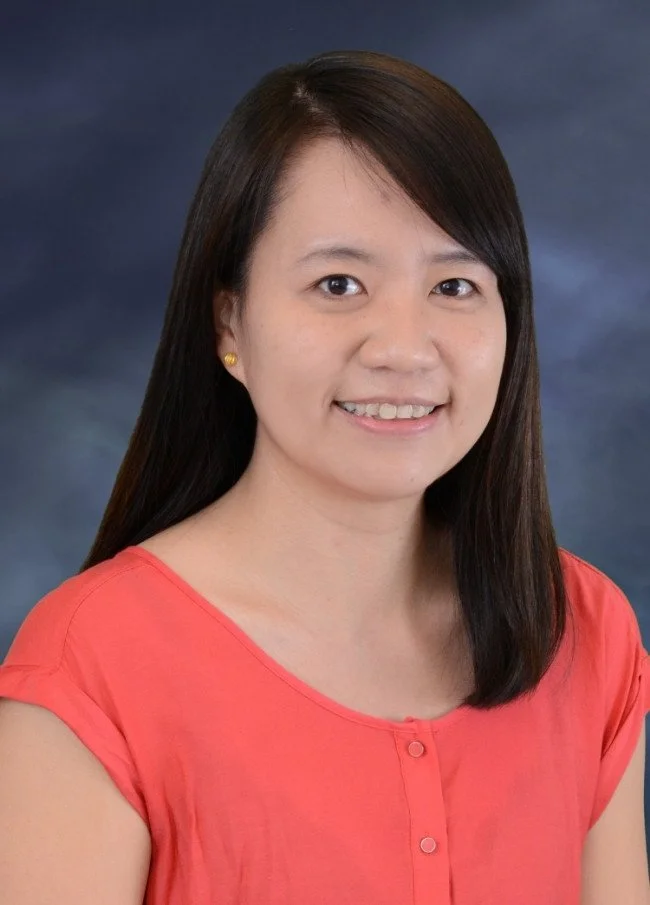
Li-Hsin is interested in 3D genome organisation, gene regulation, and CRISPR-mediated genome editing. In the FGC group, her research focuses on how enhancer–promoter interactions shape gene regulation. Born and raised in Taiwan, she moved to the University of Illinois at Urbana-Champaign for her PhD, where she uncovered new functions of KRAB zinc-finger proteins. Her first postdoctoral position took her to Paris, where she developed Nano-C, a method combining Chromosome Conformation Capture and Nanopore sequencing to reveal complex chromatin interactions. In 2022, she joined the University of Oxford, where she developed methods to detect CRISPR-mediated off-target effects and structural alterations. Across these experiences, she has created tools to make genome editing safer and more precise, while deepening the understanding of how the genome is organised and regulated. Outside of the lab, she enjoys playing the violin and dancing Argentine tango.
Nobuaki Masaki
Postdoc
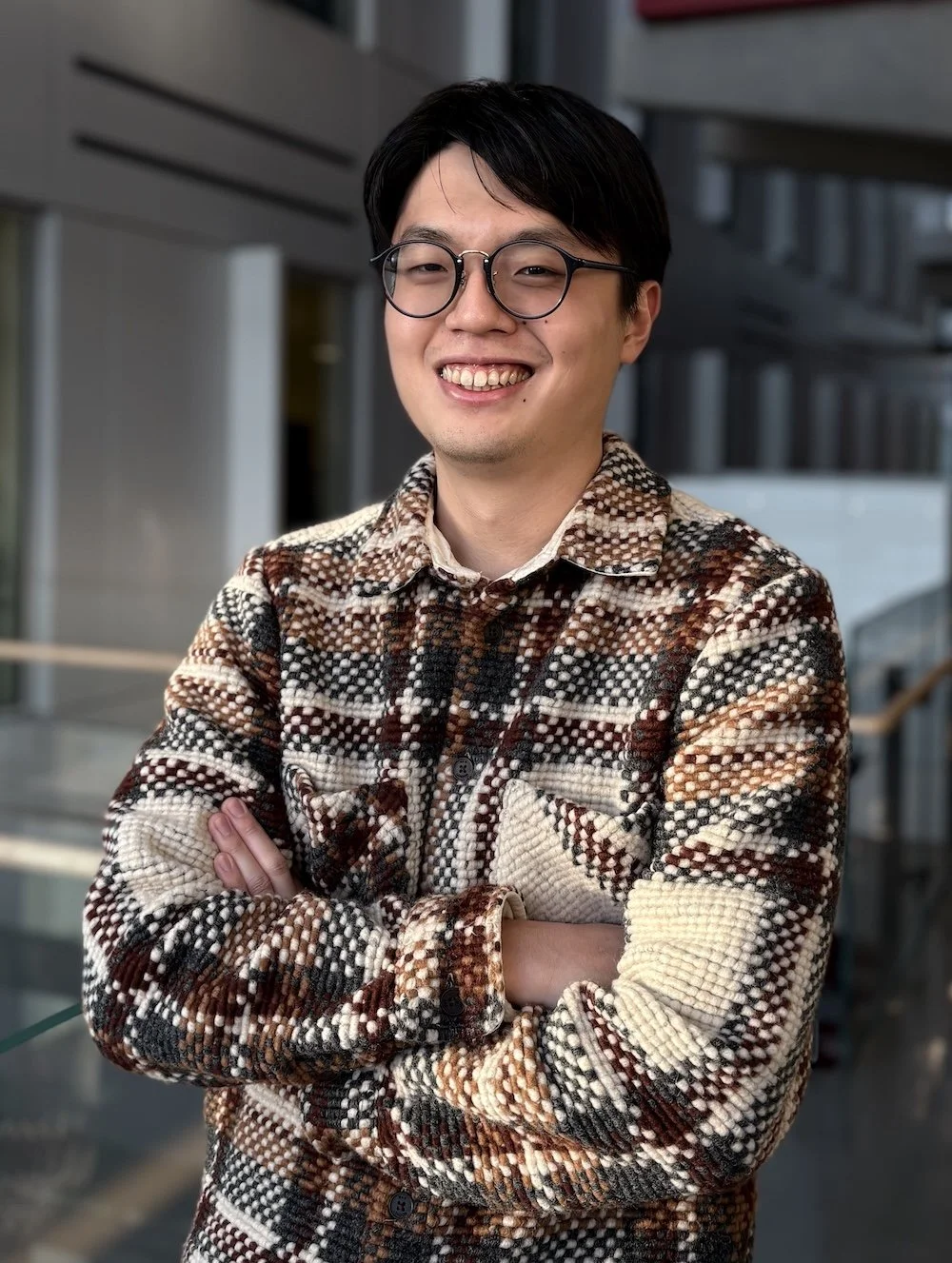
Nobuaki obtained his PhD in Biostatistics at the University of Washington, advised by Professor Sharon Browning. His dissertation was on developing statistical models to analyse recombination patterns in humans and SARS-CoV-2 using whole-genome sequencing data. Currently, Nobuaki is working on developing Bayesian networks to infer gene regulatory networks from single-cell multiomics data, accounting for prior knowledge. In his free time, Nobuaki enjoys playing and listening to jazz music and exploring new areas of London.
Elina Libman
MRes Student
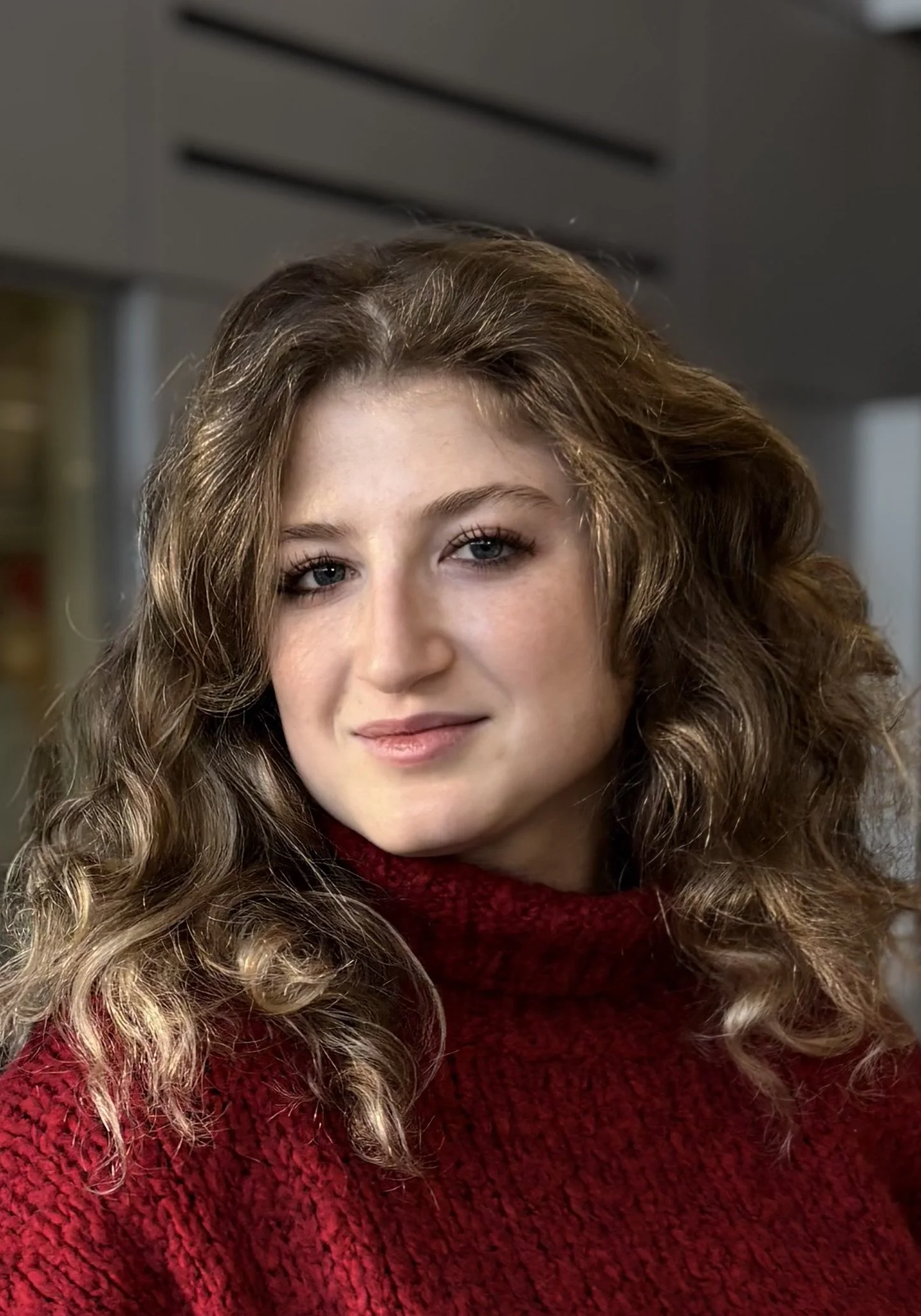
Elina studied Biochemistry at Queen Mary University of London and continued exploring her interest in epigenomics through the MSc in Applied Genomics at Imperial College London. During the MSc, Elina joined the Centre for Genomic Regulation in Barcelona, where she carried out her thesis research and worked on alternative splicing in chromatin regulators. Additionally, during her undergraduate years, Elina interned in various European institutes, studying processes of nutrient absorption in digestion and the mechanisms of collagen production in lung pathologies. Elina’s MRes research in Mikhail’s lab focuses on the heterogeneity of drug-resistant cancer cells. Outside the lab, you can find Elina on her road bike looping in the inner circle of Regents Park or reading a paperback with a cup of coffee in her lap.

Mikhail Spivakov
Group Leader
Mikhail is interested in how enhancers regulate gene expression, and how their function is modified by natural genetic variation. He is also interested in keeping the team happy and motivated.
OUR PEOPLE
Our alumni
Surya Koturan
Postdoc
Surya investigated the temporal dynamics of gene regulatory networks upon stimulus response in the innate immune system using single-cell multiomics. She has moved to a Research Immunologist position at Unilever.
Nicole Wong
Masters student
Nicole was investigating gene regulatory networks underlying stimulus response of innate immune cells. She moved on to continue her Masters course at Imperial
Valeriya Malysheva
Postdoc
Valeriya used a combination of wet-lab and computational approaches to study promoter-enhancer interactions and stimulus response in innate immune cells. She moved on to start her own lab at VIB Institute of Molecular Neurology, Antwerp.
Michiel Thiecke
PhD student
Michiel worked on the effects of cohesin and CTCF on promoter-enhancer interactions. He has moved on to a Senior Computational Biologist position at Enhanc3D Genomics Ltd.
Anna Litovskikh
BSc student
Anna did her summer internship and 3rd year project with us, working with Helen to study the chromatin properties of genetic variants.
Jonathan Cairns
Postdoc
(jointly with Peter Fraser group at Nuclear Dynamics ISP)
Jonathan worked on the Chicago pipeline. He moved to become a Senior Research Statistician at AstraZeneca.
Pawel Bednarz
Visiting student
Pawel moved back to Poland to finish his PhD at Warsaw University.
Manuela Zanda
Visiting postdoc
Manuela was staying with us in 2013 as part of our collaboration with her main lab at UCL led by Vincent Plagnol. Manuela has moved on to become a data scientist at ARM.
Helen Ray-Jones
Postdoc
Helen used population genetics approaches to understand the logic of enhancer-promoter interactions. She has moved on to join Valeriya’s new lab at VIB Antwerp as a Senior Postdoc.
Isabella Savin
BSc Student
Isabella used inducible CRISPR in human pluripotent stem cells to investigate changes in chromosomal conformation and gene expression upon enhancer activation. She moved on to join a Masters course at Oxford University.
Vanessa Tan
BSc student
Vanessa worked with Helen on the chromatin properties of genetic variants and is now back home in Singapore to continue her education.
Mirko Celii
Visting postdoc
Mirko was visiting from Valerio Orlando’s lab to study the nuclear dynamics of muscle cell differentiation.
Phoebe Oldach
MPhil student
Phoebe moved back to the US, and then again on the island to do a PhD at Oxford.
Jo Mitchelmore
PhD student
Jo worked on the transcriptional effects of variation in transcription factor binding. She has moved on to a Data Scientist position at Novartis Institutes of Biomedical Research in Basel.
Erin Oerton
Rotation PhD student
Erin moved on to do a PhD in Andreas Bender’s group at Cambridge University’s Department of Chemistry
Monica Della Rosa
PhD student
Monica was investigating the logic of gene regulation by enhancer elements in human pluripotent cells. She moved on to start a Bioinformatician position at Cyted.
Lina Dobnikar
PhD student
Lina led single-cell genomics analysis of vascular lineage plasticity. She has moved on to a Staff Bioinformatician position at CeMM, Vienna.
Namrata Gogineni
MSc student
Namrata was working with Pavel on computational methods to predict the effect of enhancers on gene expression. She moved on to continue her Masters course.
Carmen Petitjean
BSc student
Carmen did her 3rd year project with us, working with Valeriya on the enhancer-promoter interaction detection.
Will Orchard
Visting student
Will worked on the chicdiff pipeline before going back to continue his studies at Cambridge University.
Sunghee Park
Visiting professor
Sunghee is now back at Soongsil University in Seoul.
Jela Guo
BSc student
Jela investigated gene regulatory networks underlying monocyte stimulus response using single-cell genomics. She moved on to join a Masters course at Imperial College London.
Margaret Lister
MSc student
Margaret used CRISPR targeting to study the relationship between enhancer activity, connectivity and gene expression. She moved on to do a PhD at Oxford University.
Jess James
Masters student
Jess was working with Pavel on gene regulatory networks underlying cancer drug resistance. She moved on to continue her Masters course at Imperial.
Joseph Ellaway
MSc student
Joseph worked with Pavel on the computational methods to predict the effect of enhancers on gene expression (a project later picked up by Namrata). He moved on to continue his Masters course.
Emma Yang
MSc student
Emma did her Masters project in our group, looking at the molecular underpinnings of immune traits, including COVID susceptibility. She moved on to start her PhD studies in Edinburgh after a gap year.
Qian Gao
Postdoc
(jointly with Jon Houseley group at Babraham)
Qian joined Adaptimmune as a bioinformatics scientist.
Ho Kai Li
MSc student
Ho Kai studied the response of cancer cells to targeted therapies. He moved on to do a PhD at Oxford University.
Paula Freire Pritchett
Postdoc
Paula worked on the Chicago pipeline and the rewiring of enhancer-promoter interactions upon human ES cell differentiation. She moved to MRC LMB as a founding member of the core bioinformatics facility.
Hashem Koohy
Postdoc
(jointly with Nuclear Dynamics ISP)
Hashem worked on the cis-regulatory features of V(D)J recombination. He moved to start his own group at Oxford University’s Radcliffe Department of Medicine.
Interested in studying gene regulation?
Why not join us? We are always happy to hear from enthusiastic people interested in studying gene regulation